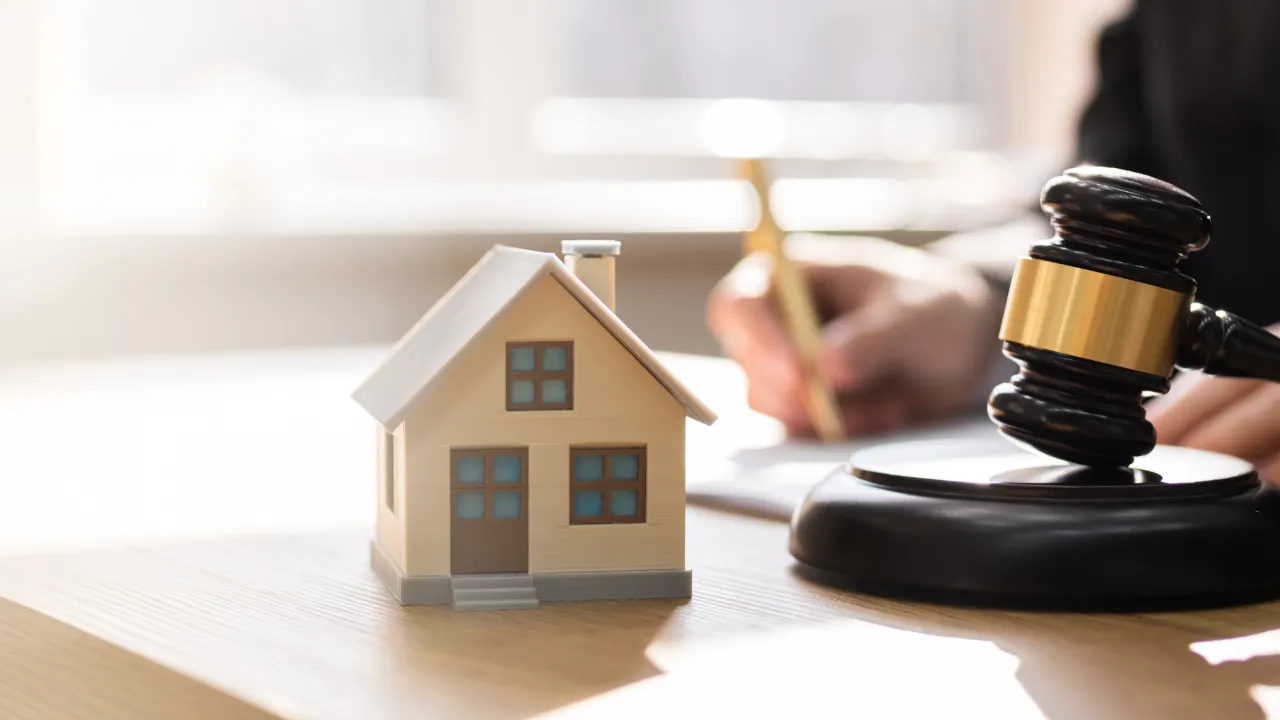
Homeowners struggling with mortgage payments have several ways to keep their house. One option, sometimes disregarded by struggling homeowners, is bankruptcy.
An important benefit of bankruptcy is that foreclosure proceedings are immediately stopped. This protection from foreclosure – called an “automatic stay” — allows a homeowner extra time to get current on mortgage payments. Once a bankruptcy is filed, the law requires that the mortgage company stop all legal action, including foreclosure. Depending on the type of bankruptcy filed, it can help force the mortgage company into a payment plan for the arrears, or give you the time you need to accomplish your goals with the house.
Generally speaking, it is not possible to force creditors to alter the terms of the mortgage through bankruptcy. However, for those borrowers who are going through bankruptcy, mortgage lenders may be willing to negotiate a loan modification. This includes reducing interest rates or allowing late payments to be added to the end of the loan, letting the homeowner become current on payments. Lenders can also be more willing to negotiate if you are represented by your bankruptcy attorney, who can help you understand where creditors are willing to compromise.
Another large benefit to filing bankruptcy is getting rid of unsecured debt such as credit cards, medical bills and personal loans. The money saved from not having to pay interest on large credit card debt can allow a homeowner to invest more money into their mortgage payments.
Different Types of Bankruptcy, Different Ways to Stop Foreclosure
If you are behind on your mortgage payments, Chapter 13 bankruptcy can allow you up to 5 years to pay what you owe, while forcing the mortgage company to accept current mortgage payments. This is usually the preferred Chapter to file when you are attempting to save your home. Once you file a Chapter 13 bankruptcy, the foreclosure action will immediately stop. The Chapter 13 bankruptcy will establish a plan to repay the arrears over a period of time, and allow you to resume mortgage payments going forward.
In some cases, Chapter 7 bankruptcy will work best. If you are current on payments on your mortgage, but are having a hard time affording payments due to high credit card bills, Chapter 7 could discharge the credit cards and other unsecured debt, helping with cash flow and allowing you to prioritize your money on the mortgage payments. Chapter 7, however, is a liquidation process, so it is important to speak to an experienced bankruptcy lawyer to make sure that the house can be protected. While it may be possible to protect your home from liquidation in a Chapter 7 bankruptcy, it is typically not the preferred chapter to file if you are behind in mortgage payments and want to save your home. A Chapter 7 bankruptcy will not create a payment plan to cure mortgage arrears. While a Chapter 7 bankruptcy will stop foreclosure proceedings for a period of time, ultimately, if you are in foreclosure, the mortgage company will be able to continue with their foreclosure action after receiving permission from the Bankruptcy Court. So, if you are behind in your mortgage payments and want to save your home, Chapter 7 bankruptcy is typically not the way to go.
Contact a Michael Schwartz at (215) 392-8783 to see if bankruptcy is the right course for you, or for other possibilities to save your home.