

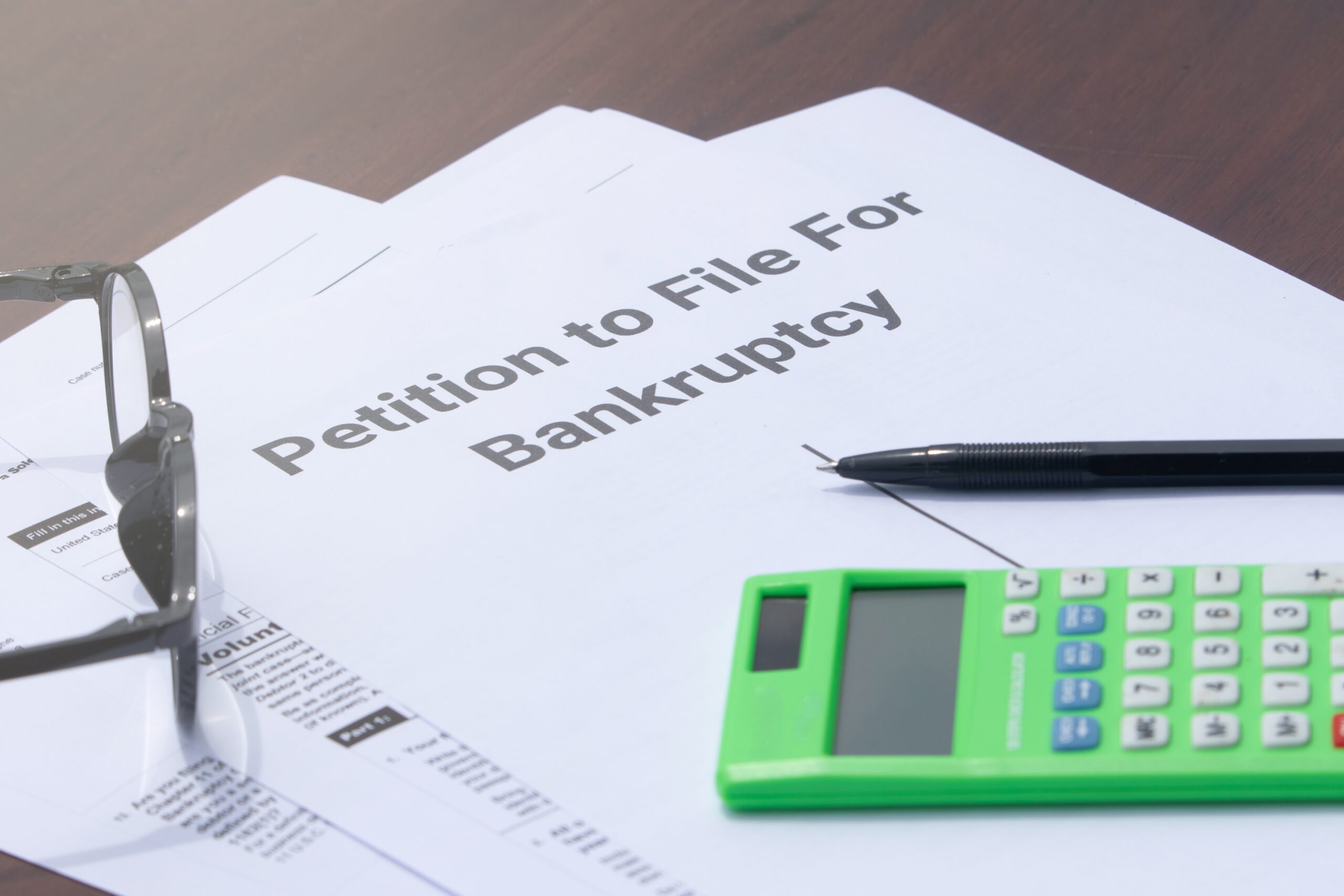
Can Bankruptcy Stop Wage Garnishment in Pennsylvania?
Opening your paycheck only to find it significantly lighter than expected is a terrifying experience. When you are already struggling to make ends meet, losing a portion of your hard-earned income to wage garnishment can feel like the final blow. It threatens your ability to pay for rent, groceries, and utilities, potentially sending you into a spiral of further debt.
For many Pennsylvanians facing this financial crisis, bankruptcy is often viewed as a last resort — something to be feared. However, filing for bankruptcy is a powerful legal tool that can serve as an immediate shield, stopping wage garnishment in its tracks and providing the breathing room needed to reorganize your finances.
If you are facing the threat of garnishment or are currently watching your wages disappear, it is vital to understand how the legal system in Pennsylvania works and how filing for bankruptcy can protect your income. The bankruptcy attorneys at the Law Offices of Michael Schwartz can help.
Understanding Wage Garnishment in Pennsylvania
Wage garnishment occurs when a court issues an order requiring your employer to withhold a certain amount of your paycheck and send it directly to a person or entity to whom you owe money.
Pennsylvania is unique compared to many other states because it offers stronger protections for debtors regarding consumer debt. Generally, creditors for consumer debts — such as credit cards, personal loans, and medical bills — cannot garnish your wages in Pennsylvania. Even if they sue you and win a judgment, they typically have to look for other ways to collect, such as placing a lien on your property or levying a bank account.
However, your wages are not entirely safe. Once wages are deposited in the bank account, it is not uncommon for creditors to freeze those accounts. Also, Pennsylvania law specifically permits wage garnishment for certain types of prioritized debts without a general judgment. You may face garnishment for:
- Court-ordered child or spousal support: This is the most common reason for garnishment.
- Back rent: If you owe money on a residential lease, a landlord can seek garnishment.
- Student loans: Defaulted federal student loans often lead to administrative wage garnishment.
- Taxes: The IRS and the state can garnish wages for unpaid tax debts.
- Criminal restitution: Court-ordered fees and fines resulting from criminal cases.
The Automatic Stay: Your Immediate Defense
The primary mechanism that helps you when filing for bankruptcy and wage garnishment is the “automatic stay.“
When you file for either Chapter 7 or Chapter 13 bankruptcy, the court issues an order called an automatic stay. This is an immediate injunction that halts almost all collection activities against you. It is a federal court order that carries significant weight.
Once the automatic stay is in place:
- Creditors must stop calling you.
- Pending lawsuits against you generally pause.
- Foreclosure proceedings may be temporarily halted.
- Most wage garnishments must stop immediately.
This protection goes into effect the moment your bankruptcy petition is filed with the court clerk. It doesn’t matter if the creditor has already obtained a court judgment; the federal bankruptcy stay overrules state collection actions for dischargeable debts.
How Different Bankruptcy Chapters Affect Garnishment
The type of bankruptcy you file influences how your debt — and the associated garnishment — is handled in the long term.
Chapter 7 Bankruptcy
Often called “liquidation” bankruptcy, Chapter 7 is designed to wipe out unsecured debts like credit cards and medical bills. If your wages are being garnished for a debt that is dischargeable (meaning it can be erased in bankruptcy), the automatic stay stops the garnishment immediately. Once the bankruptcy is completed, your liability for that debt is gone, and the garnishment cannot restart.
Chapter 13 Bankruptcy
Chapter 13 is known as a “reorganization” bankruptcy. Instead of wiping out debt immediately, you enter a three-to-five-year repayment plan. This is particularly helpful for debts that cannot be discharged, such as back taxes or child support arrears. This is also many times the best alternative when a creditor does not qualify for Chapter 7 or when Chapter 7 poses too much risk to asset liquidation.
Filing Chapter 13 stops the immediate garnishment. Instead of a creditor taking a large, unpredictable chunk of your check, you pay back a portion of what you owe through a court-approved monthly payment plan. This often allows you to manage your cash flow better while satisfying your obligations.
Steps to Take After Filing
Filing your petition is the first step, but administrative lag can cause delays. To ensure wage garnishment stops as fast as possible, proactive communication is required.
Notify the Creditor and Sheriff
Your attorney should immediately notify the creditor’s lawyer and the local sheriff’s office or levying officer handling the garnishment order. Once they receive notice of the bankruptcy filing, they are legally obligated to cease collection. Violating the automatic stay can result in severe sanctions against creditors, so they usually comply quickly once notified.
Recovering Wages You Have Already Lost
There is a little-known provision in bankruptcy law that may allow you to get money back. If a creditor garnished your wages within the 90 days immediately preceding your bankruptcy filing, and the total amount taken exceeds $600, you might be able to recover those funds.
The law views these recent payments as “preferences” — meaning that the creditor got paid while others didn’t. Your bankruptcy attorney can file a complaint to have these funds returned to the bankruptcy estate. In many cases, using federal or state exemptions, you can protect that returned money and keep it.
Take Control of Your Financial Future
Allowing wage garnishment to continue can make it impossible to afford basic living expenses. Bankruptcy provides a legal, regulated path to stop the bleeding and regain control of your income.
If you are struggling with debt and facing the threat of garnishment, do not wait until your paycheck disappears. Contact the Law Offices of Michael Schwartz today. We can review your financial situation, determine if you qualify to recover garnished wages, and help you get the fresh start you deserve.