
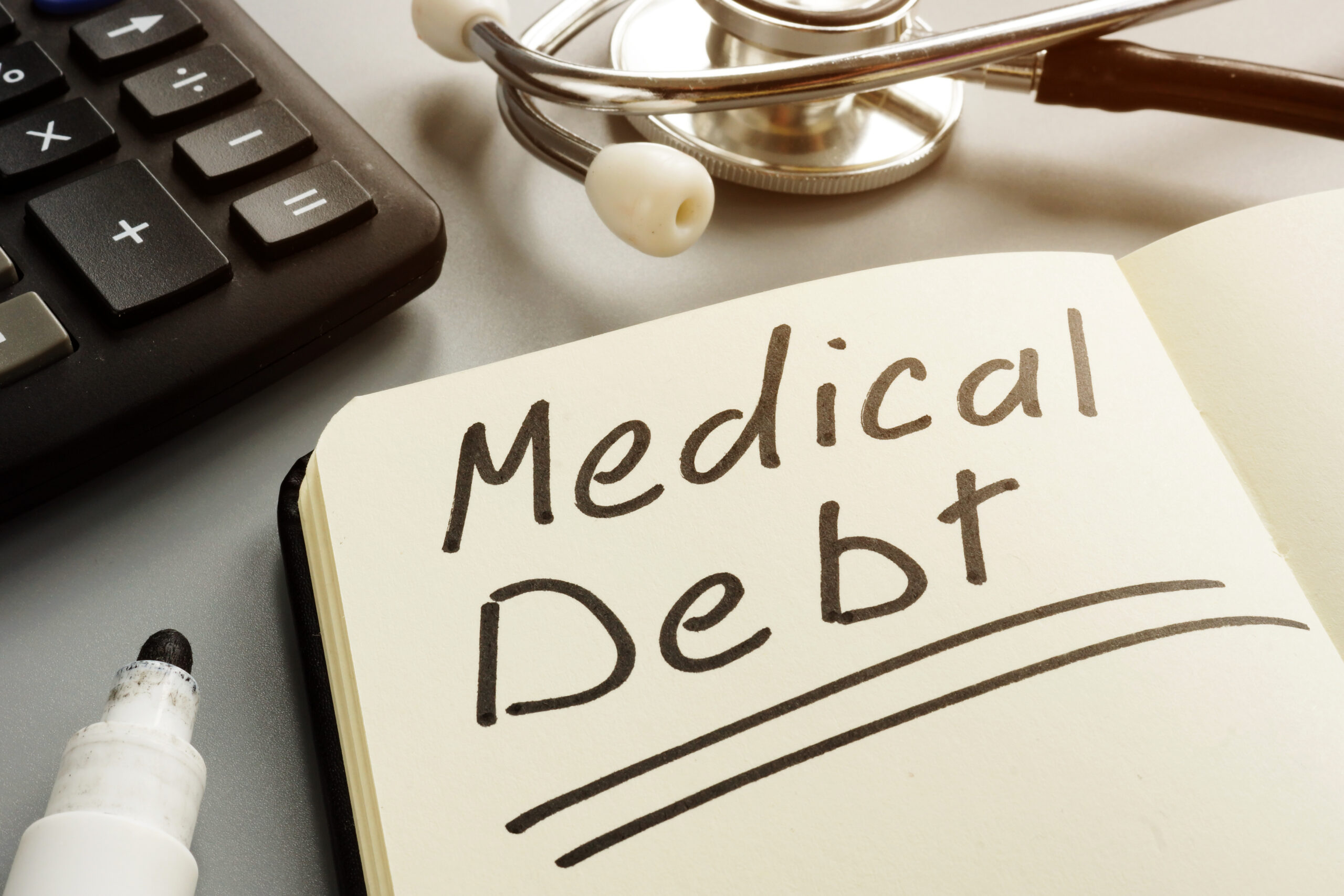
A sudden illness or accident can happen to anyone, often bringing a wave of financial stress along with the physical recovery. Even with health insurance, deductibles and out-of-pocket costs can accumulate rapidly. It is a stark reality for many Americans that medical debt is a leading cause of personal bankruptcy.
When bills become unmanageable, it forces families to make impossible choices between paying for healthcare and covering necessities like housing or food. If you are struggling with overwhelming medical bills in Pennsylvania, understanding the progression from debt to bankruptcy — and the options available to stop it — is the first step toward regaining your financial footing.
The Snowball Effect: From Unpaid Bills to Legal Action
The path from an initial hospital visit to considering bankruptcy after medical debt typically follows a stressful, escalating pattern. It rarely happens overnight. Instead, it begins with financial strain, where individuals prioritize immediate needs over medical invoices.
When bills go unpaid, healthcare providers typically turn accounts over to collection agencies. This marks the beginning of frequent phone calls and letters demanding payment. If these efforts fail, creditors may take legal action.
In Pennsylvania, the statute of limitations for filing a lawsuit on most medical debt is generally four years from the date of the last payment. If a creditor sues you and wins, they obtain a judgment. This gives them powerful tools to collect what is owed, such as:
- Wage garnishment
- Freezing bank accounts
- Placing liens on your home
When your assets are at risk, and the debt far exceeds your ability to pay, insolvency sets in. At this stage, bankruptcy often becomes the most viable tool to protect your future.
Managing Medical Debt Before Bankruptcy
Bankruptcy is a powerful solution, but it is not the only one. Pennsylvania residents have several avenues to explore before filing.
Negotiation and Financial Assistance
You might be surprised to learn that medical bills are often negotiable. Request an itemized bill to check for errors, then contact the provider’s billing department. Many hospitals in Pennsylvania are mandated by state law (Act 77) to offer financial assistance or “charity care” programs. These can reduce or forgive bills based on your income and family size.
Grants and Aid
Non-profit organizations such as the HealthWell Foundation or the PAN Foundation offer grants to help cover costs for specific medical conditions. Researching these options can sometimes provide the relief needed to avoid legal action.
Credit Counseling
A non-profit credit counseling agency can help you create a debt management plan. They work on your behalf to negotiate repayment terms with creditors, potentially lowering monthly payments to a manageable level.
How Bankruptcy Resolves Medical Debt
If negotiation fails and the debt remains insurmountable, bankruptcy can provide a legal fresh start. Medical debt is generally classified as unsecured, non-priority debt, meaning it is often fully dischargeable in bankruptcy proceedings.
Filing for bankruptcy also triggers an “automatic stay.” This is a legal protection that immediately halts most collection activities, stopping harassment, lawsuits, and wage garnishments in their tracks.
Chapter 7 Bankruptcy (Liquidation)
Chapter 7 is designed to eliminate most unsecured debt, including medical bills, within a few months. To qualify, you must pass the “means test,” which compares your income to the median income in Pennsylvania.
While a trustee may sell non-exempt assets to pay creditors, federal and state exemptions protect necessary property. In Pennsylvania, you can choose between state or federal exemptions. Federal exemptions often provide better protection for assets like your home and vehicle.
Chapter 13 Bankruptcy (Reorganization)
For individuals who earn a steady income but do not qualify for Chapter 7 — or have significant assets they want to protect — Chapter 13 is a reorganization option. You enter a court-approved plan to repay a portion of your debts over three to five years. At the end of this period, any remaining unsecured medical debt is discharged.
Skilled Legal Guidance in Philadelphia
Navigating bankruptcy laws and exemption choices can be complex. The Law Offices of Michael Schwartz offers experienced legal services to help you understand your rights and restore your financial well-being.
With over 20 years of experience, Michael Schwartz assists clients across Bucks County, Delaware County, Montgomery County, and the entire Philadelphia region. We don’t just file paperwork; we review your entire financial situation. During your first meeting, we will discuss all your options — including Chapter 7, Chapter 13, debt settlement programs, and credit counseling — to determine the right path for you.
Take the First Step Toward Relief
Medical debt can feel like a heavy burden, but you do not have to carry it forever. Whether through negotiation, settlement, or bankruptcy, there is a way out.
If you are facing aggressive collections or lawsuits, prompt action is essential. We can help you stop the calls and start rebuilding your financial life.
Schedule a free consultation with The Law Offices of Michael Schwartz today to discuss your situation and find the solution that works for you.